
Creative Event Strategies That Create Pipeline, Not Just Attendance
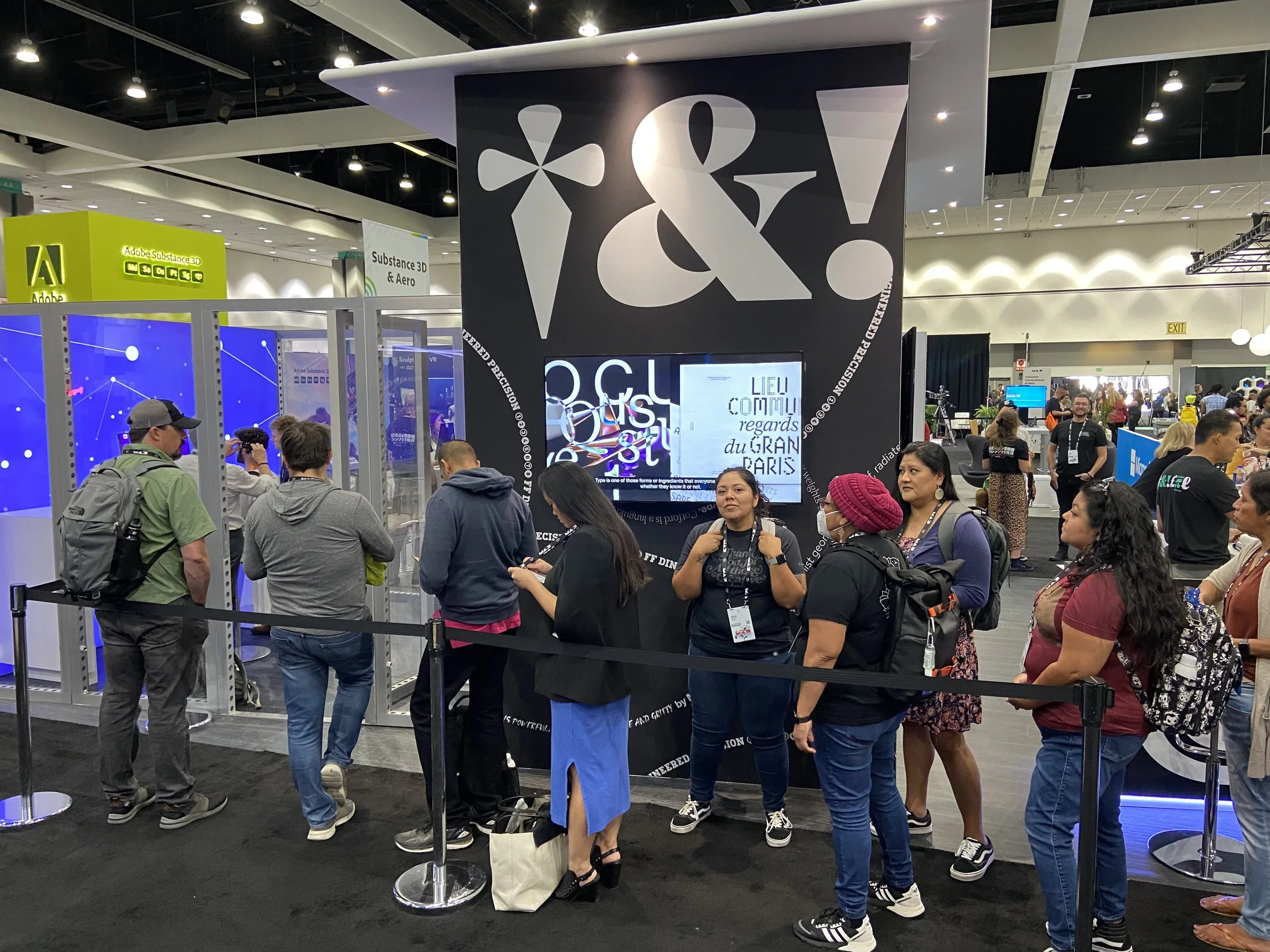
A packed trade show floor can look like a marketing win.
The booth is busy. Your team is scanning badges. Your lead count is climbing. Everyone leaves feeling like the event was a success.
But what happens next?
If those hundreds of conversations don't turn into meaningful sales opportunities, you may have created a lot of activity without creating much pipeline.
That doesn't mean trade shows aren't valuable. It means there's an opportunity to think more creatively about what you're trying to accomplish, and how you use the event to get there.
The best event strategies aren't necessarily about attracting the most people. They're about creating the right opportunities with the right people.
Start With the Outcome
Before deciding what your booth should look like or which sponsorship package to buy, start by defining what success actually looks like.
Are you trying to build awareness? Generate a large volume of leads? Meet with existing customers? Accelerate opportunities with key accounts? Build relationships with executives?
The answer should influence your entire event strategy.
For example, a company targeting thousands of potential customers may benefit from a traditional booth designed to maximize traffic and product demonstrations.
An enterprise company with a smaller list of high-value accounts may get more from a smaller booth combined with executive meetings, a private dinner, or an off-site hospitality experience.
The strategy should follow the objective, not the other way around.
Create Reasons to Connect
Some of the most effective event experiences don't feel like marketing at all.
Think about what attendees actually need during a busy trade show: somewhere to sit, a good cup of coffee, a quiet place to work, a chance to meet peers, or simply an opportunity to take a break from the chaos.
That creates a different kind of marketing opportunity.
Activations like a branded coffee shop, wellness experience or hospitality lounge give people a reason to spend time with your brand without immediately putting them into a sales conversation.
Or, get completely off the show floor with a private dinner or creative off-site experience.
With these types of experiences and activations, the meeting becomes the natural next step.
And that's often a much better starting point for a relationship.
Make Your Best Accounts the Priority
If your event strategy is focused on pipeline, your target account list should be just as important as your attendee list.
Before the event, sit down with sales and identify the five to ten accounts that matter most to them.
Who from those companies is attending?
What opportunities are already open?
Are there renewals or expansions in play?
Who else needs to be involved in the buying decision?
Once you know that, you can build your event strategy around creating multiple opportunities to connect with those people.
Maybe they visit your booth. Maybe they attend your private dinner. Maybe they stop by your hospitality lounge. Maybe a salesperson takes them to dinner.
Individually, each interaction might seem small. Together, they create a much more intentional account-based experience.
Get Creative With the Budget
A bigger event doesn't always require a bigger budget.
Partnerships can be one of the easiest ways to expand what you're able to do.
Look for companies that share your ideal customer but don't compete directly with you. Then consider co-hosting a dinner, happy hour, networking event, or other experience.
You can share the costs while giving each partner meaningful exposure to a highly relevant audience.
You can also look beyond traditional sponsorships. Depending on your audience, an off-site experience may provide a better environment for meaningful conversations than an expensive show-floor footprint.
The key is to ask: What is the most effective way to get in front of the people we care about?
It doesn't always have to be the most obvious one.
Think of the Event as a Content Engine
One of the biggest opportunities at an event happens when you stop thinking of it as a two- or three-day marketing activity.
The event can become a source of content for weeks or months afterward.
Interview customers. Record short videos. Capture expert conversations. Host a live podcast. Ask attendees for their perspectives. Turn those conversations into social posts, articles, webinars, email content, and sales assets.
Now you're not just generating leads.
You're creating reasons to continue the conversation.
That content can also become part of your follow-up strategy. Instead of sending a generic post-event email, you can give prospects something genuinely useful that connects back to the conversation you had with them.
Follow-Up Is Where Pipeline Happens
The show ending isn't the finish line. It's when the next phase begins.
Get your leads into the CRM quickly. Segment them based on fit and interest. Identify the warmest opportunities and make sure sales knows who needs attention first.
Then give those prospects a reason to keep talking.
Send them the interview you recorded. Share a relevant resource. Invite them to a webinar. Follow up on something specific they discussed with your team.
Most importantly, make the next step easy.
A great event can open the door, but consistent follow-up is what moves the relationship forward.
Measure What Actually Matters
Attendance, booth traffic, and lead volume are useful metrics, but they shouldn't be the end of the story.
Look at meetings held, opportunities influenced, pipeline created, revenue generated, target accounts engaged, and the quality of the conversations you had.
And if an event consistently produces activity without results, be willing to change the strategy.
Maybe you need a smaller booth. Maybe you need a different activation. Maybe a partner event or executive dinner makes more sense. Or maybe the event simply isn't reaching the audience you need.
That's not a failure.
It's useful information.
The goal of event marketing isn't to make an event look successful.
It's to create meaningful opportunities that move the business forward.
So as you plan your next trade show or industry event, give yourself permission to think beyond the booth.
Start with the people you need to reach, define the outcome you want, and build creative opportunities around both.
Because the best event strategy isn't the one that gets the most people through the door.
It's the one that gives the right people a reason to walk through yours.
…..
Learn how to get more leads in your pipeline in this episode of the Event Marketer’s Toolbox podcast with Kayla Drake.