
Your Event Was a Success. But Can You Prove It?
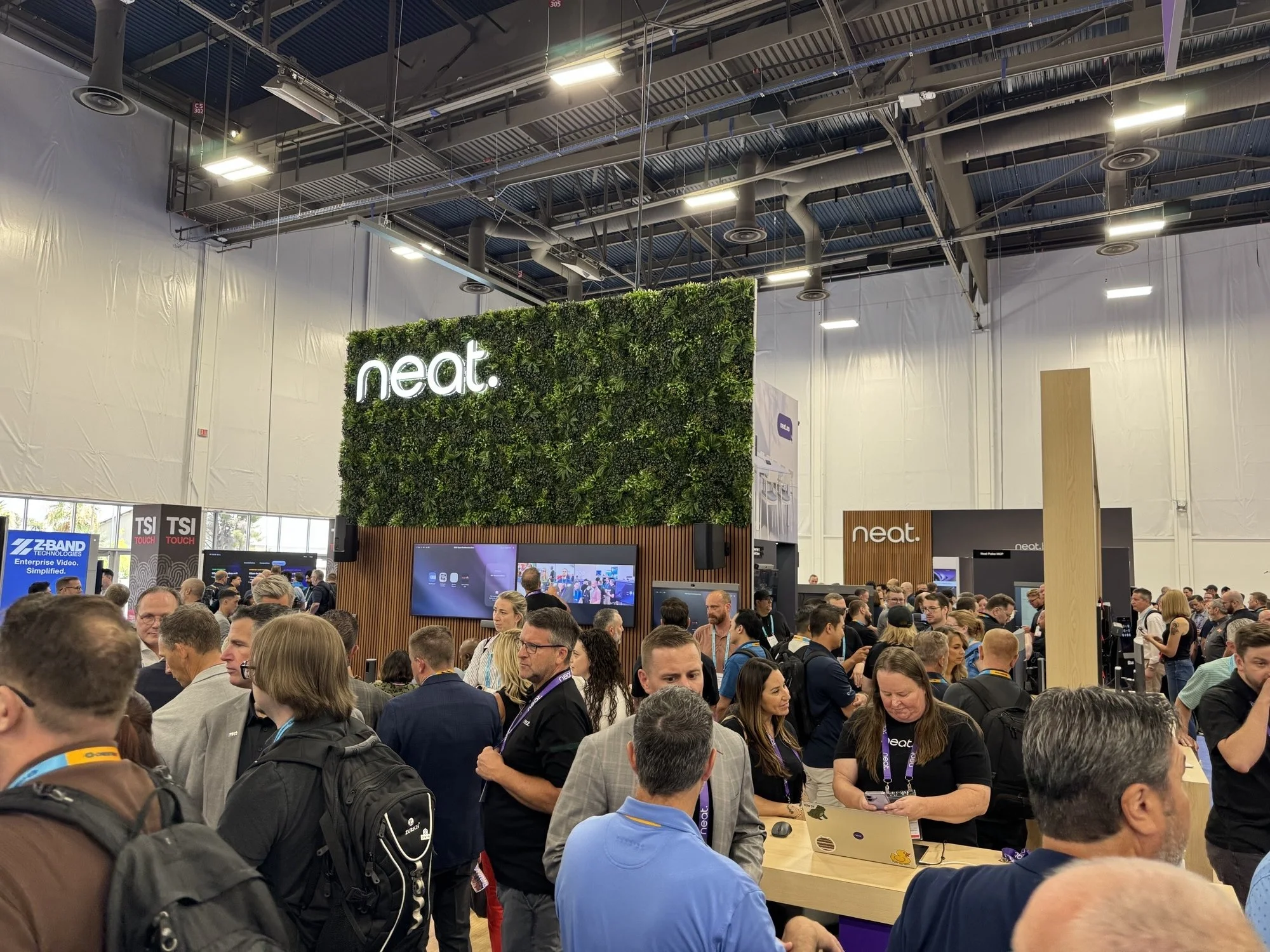
The event is over.
The stage is packed up.
The attendees are heading home.
And then someone asks the question every event marketer eventually hears:
"So... was it worth it?"
Usually, the answer sounds something like this:
We had 800 attendees.
Our keynote sessions were standing room only.
Survey scores were strong.
Social engagement exceeded expectations.
Those results aren't meaningless, but they don't answer the question.
Because the question leadership is really asking is this:
Did the event create value for the business?
That's a harder question to answer.
It's also the one that matters most.
The good news?
You don't need a complicated attribution model or an advanced analytics team to start proving your event's worth.
You just need to measure the right things.
Stop Measuring Activity. Start Measuring Impact
Attendance AND engagement matter.
But they're only part of the story.
A full ballroom doesn't automatically mean the event was successful.
A smaller event that helps close three major deals might have a bigger impact than a conference attended by thousands.
The goal isn't to collect more metrics.
It’s to collect better ones.
Before planning your next event, ask yourself:
If this event is wildly successful, what will be different afterward?
Will you have:
More qualified pipeline?
Stronger customer relationships?
Higher renewal rates?
Greater product adoption?
Better alignment across internal teams?
Start there then work backward.
…
TAKE ACTION
Before approving any event strategy, finish this sentence:
"We'll know this event worked if __________."
If you can't answer it clearly, neither can your stakeholders.
Define Success Before the Event Begins
One of the biggest mistakes event teams make is waiting until after the event to decide how they'll measure success.
At that point, it's too late.
Imagine trying to keep score in a basketball game after the final buzzer.
The same principle applies here.
Decide upfront:
What are we trying to accomplish?
Who needs to see value from this event?
How will we know if we achieved our goal?
Different events should have different definitions of success.
A customer summit shouldn't be measured the same way as a lead generation event.
An internal kickoff shouldn't be evaluated like a trade show.
The more specific you are at the beginning, the easier reporting becomes at the end.
…
TAKE ACTION
Choose one primary goal for every event.
Everything else is secondary.
Count the Costs You're Not Counting
When people calculate event ROI, they usually focus on obvious expenses:
Venue costs
Travel
Food and beverage
Production
Swag
Marketing spend
But events require more than money.
They require people.
Think about:
Hours spent planning
Late nights solving problems
Cross-functional support
Opportunity costs from shifting priorities
Those investments count too.
This isn't about making events seem more expensive.
It's about being honest about what success needs to look like.
If you're investing heavily, the outcomes should justify that investment.
…
TAKE ACTION
After your next event, ask your team:
"What resources did we invest that don't appear in the budget spreadsheet?"
The answers may surprise you.
Numbers Tell You What Happened. People Tell You Why
Data is important.
But spreadsheets don't capture the full picture.
People do.
Surveys often ask questions like:
Did you enjoy the event?
Would you attend again?
Those are helpful.
But consider asking:
What was the most valuable part of this experience?
What nearly prevented you from attending?
What conversations had the biggest impact?
What should we stop doing next year?
The same goes for internal teams.
Ask your staff:
What created unnecessary stress?
Which processes worked well?
What would make this easier next time?
The best insights often come from open-ended responses.
…
TAKE ACTION
Add one question to your post-event survey:
"What's one thing we'll regret not knowing?"
You might uncover your most valuable insight.
Make It Easier to Connect Events to Results
One reason event ROI feels so difficult to prove is because the data lives everywhere.
Registration platforms.
CRMs.
Marketing automation tools.
Sales notes.
Spreadsheets.
When these systems don't talk to each other, attribution becomes guesswork.
You don't have to solve everything overnight.
Start small.
For example:
Tag event-generated leads in your CRM.
Track meetings that happen during the event.
Review pipeline influenced within 90 days.
Monitor customer engagement after attendance.
Small improvements compound over time.
…
TAKE ACTION
Choose one connection point to improve before your next event.
Don't build a perfect system.
Build a better one.
Don't Forget the Human Side of Events
Here's something data can't fully explain:
People remember how you made them feel. They remember whether someone listened. Whether they felt welcomed. Whether they made meaningful connections.
The best events aren't just efficient. They're memorable.
That's why investing in your people matters. Technology can support great experiences.
It can't replace genuine human interaction.
…
TAKE ACTION
Ask yourself:
"What moments are attendees likely to remember six months from now?"
Design for those moments intentionally.
Event Marketers Need to Think Like Business Leaders
For a long time, event professionals were seen primarily as planners.
The people who managed logistics. Coordinated vendors. Solved problems.
Those skills still matter.
But today's event marketers have an opportunity to do more. They can become strategic partners.
That starts by asking better questions:
How does this event support company goals?
What outcomes matter to leadership?
What decisions will this data help us make?
The ability to answer those questions changes the conversation.
Instead of defending your budget, you're demonstrating your contribution.
…
TAKE ACTION
The next time you're planning an event, ask:
"How would our CFO define success?"
Then include that metric in your reporting.
A Simpler Way to Measure Event Success
If you're not sure where to start, focus on four categories:
1. Business Results
Measure outcomes such as:
Pipeline generated
Revenue influenced
Customer retention
Sponsorship outcomes
2. Engagement
Track how people participated:
Attendance rates
Session participation
Meetings booked
Networking activity
3. Experience
Understand perception through:
Survey feedback
Qualitative comments
Satisfaction scores
Recommendations
4. Operations
Evaluate internal execution:
Budget performance
Team workload
Vendor effectiveness
Process improvements
You don't need dozens of dashboards.
You need a balanced picture.
Final Thought
Most event marketers don't struggle because they aren't creating value.
They struggle because they aren't communicating that value clearly.
The events industry has always been about bringing people together.
Creating experiences. Building trust. Accelerating relationships.
Those outcomes matter.
But if you want leadership to continue investing in events, you need to connect those experiences to business results.
Not perfectly.
Just consistently.
Start small. Choose better metrics. Ask better questions.
Tell a clearer story.
Because when you can show what happened because of your event, you stop answering, "Was it worth it?"
The results answer for you.
…
For a more in-depth discussion on this topic check out our conversation with Chris Darcy on the Event Marketer’s Toolbox podcast.