
How to Stop Planning Events and Start Building Momentum for Your Brand
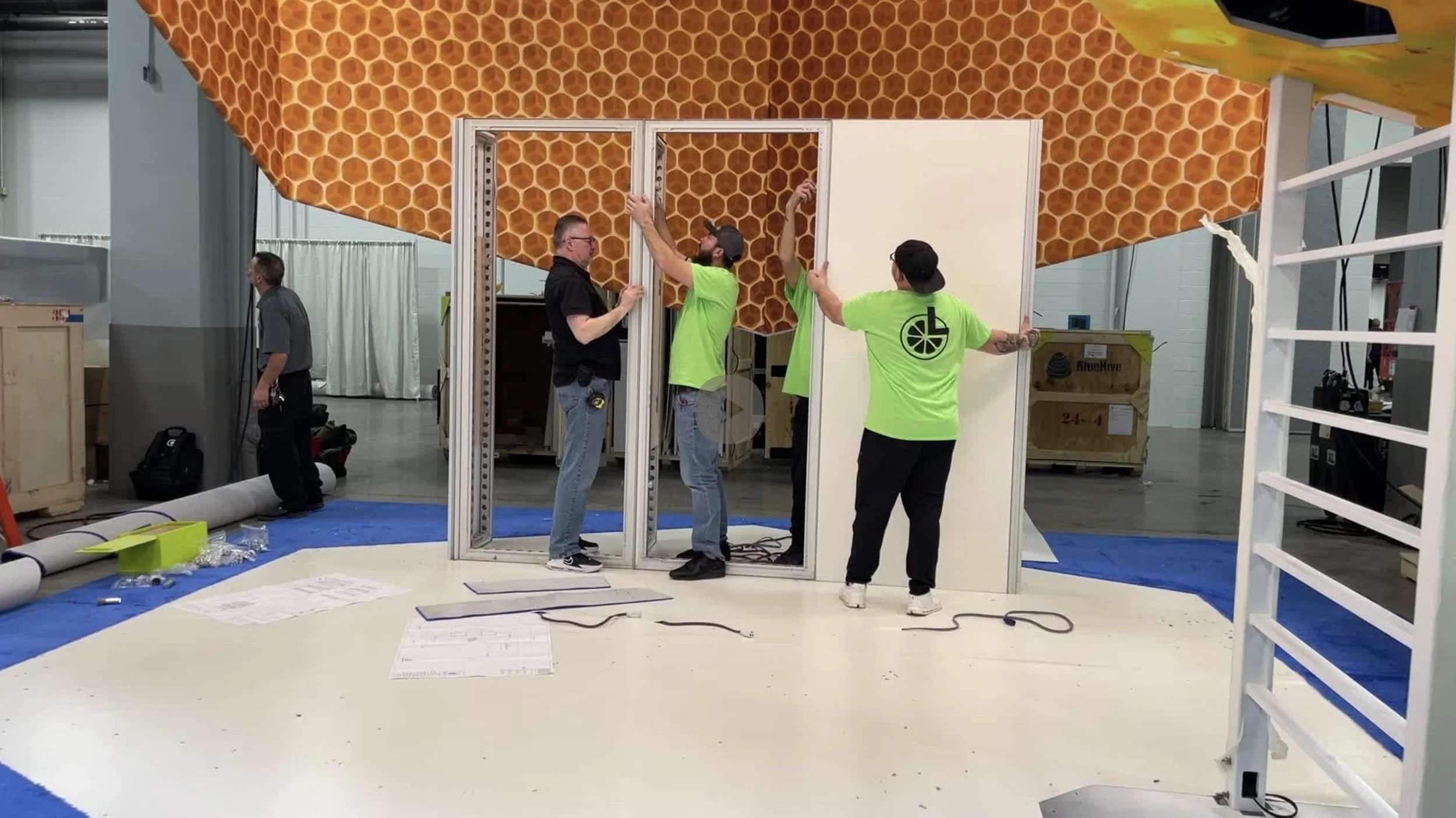
Most events are designed to end.
The booth comes down. The badges get recycled. The follow-up emails go out. Then everyone moves on to planning the next thing.
But the most successful event marketers think differently.
They don't ask, "How do we make this event better?"
They ask, "How do we use this event to strengthen relationships that continue long after people leave?"
That's an important distinction.
Because events shouldn't just create moments.
They should create momentum.
The Problem with One-Off Thinking
Many organizations approach events like standalone campaigns:
Promote the event.
Execute the event.
Report the numbers.
Repeat next year.
The downside?
You spend months building excitement only to let the energy disappear once the event ends.
Instead, consider viewing your events as part of a larger ecosystem, one designed to educate, connect, and move people closer to meaningful action over time.
Your event isn't the finish line.
It's a touchpoint.
Shift from Attendance Metrics to Relationship Metrics
Attendance matters.
But attendance alone doesn't tell you whether an event was successful.
Did attendees deepen their connection with your brand?
Did they build relationships with peers?
Did they take the next step in their journey with your company?
Those are the questions worth asking.
When you start measuring progress beyond registration numbers, you begin designing experiences differently.
You stop optimizing for "How many people showed up?"
And start optimizing for "What changed because they did?"
Make Events Part of the Customer Journey
One reason event budgets often come under scrutiny is because events get evaluated in isolation.
But events rarely work that way.
Someone might:
Discover your brand through social media.
Attend a webinar.
Visit your booth at a trade show.
Download a resource.
Join a community discussion.
Become a customer months later.
Events influence decisions throughout the buying journey.
The challenge is connecting those dots.
When you position events as contributors to awareness, trust, education, and conversion, not just lead generation, you create a much stronger case for their value. Events aligned with the buyer's journey become strategic business drivers rather than line items on an expense report.
Small Moments Create Big Loyalty
People remember how experiences make them feel.
Often, it's not the headline keynote or the expensive activation.
It's the small details.
The thoughtful follow-up.
The introduction that led to a valuable relationship.
The opportunity to choose the content most relevant to their role.
The sense that someone designed the experience with them in mind.
Personalization doesn't always require a massive budget.
It requires paying attention.
Ask yourself:
Where can we replace convenience for ourselves with relevance for attendees?
Even one or two intentional moments can dramatically improve the overall experience.
Community Isn't Built In A Day
Many organizations say they want community.
What they actually mean is they want engagement.
Those aren't the same thing.
Engagement can happen during an event.
Community develops over time.
It requires consistency.
If you want your audience to stay connected after the event, give them reasons to return:
Regular conversations
Peer networking opportunities
Exclusive educational content
Ongoing problem-solving sessions
Opportunities to contribute their expertise
Community is less about broadcasting information and more about creating spaces where people help one another.
Your role shifts from host to facilitator.
The Simplest Question Event Marketers Should Ask
Before planning your next event, ask two questions:
What do we want attendees to remember?
What do we want attendees to do differently afterward?
Those questions force clarity.
They help prioritize programming decisions.
They shape follow-up strategies.
And they move conversations away from logistics and toward outcomes.
Because successful events aren't measured solely by what happened on-site.
They're measured by what happens next.
Three Things to Try at Your Next Event
If you're looking for a place to start, here are three simple changes:
1. Design the post-event experience before the event begins.
What conversations continue afterward?
What resources will attendees receive?
How will you maintain the momentum you've created?
Don't treat follow-up as an afterthought.
2. Identify one opportunity for personalization.
It doesn't have to be elaborate.
Give attendees choices.
Segment communications.
Facilitate introductions based on shared interests.
Small touches often have outsized impact.
3. Measure outcomes, not just outputs.
Registrations matter.
So do booth scans and session attendance.
But also track indicators like:
Repeat participation
Community involvement
Content engagement
Meetings booked
Opportunities influenced
Those metrics tell a more complete story.
The Bottom Line
Events are still one of the most powerful ways to build trust, strengthen relationships, and accelerate business outcomes.
But only if we stop treating them like isolated moments.
The organizations seeing the greatest return aren't simply producing better events.
They're creating experiences that extend beyond the event itself.
They understand that every interaction is an opportunity to build connection.
And connection is what drives lasting impact.
The goal isn't to host an unforgettable event.
The goal is to create something people don't want to leave behind.
…
Want to learn more about how to build impact, influence, and lasting engagement beyond one-off booths? Check out Liz Lathen’s take on it in this episode of the Event Marketer’s Toolbox Podcast.